The food and service was good. It wasn’t to crowded which was nice and there were some good beer options.
Overview
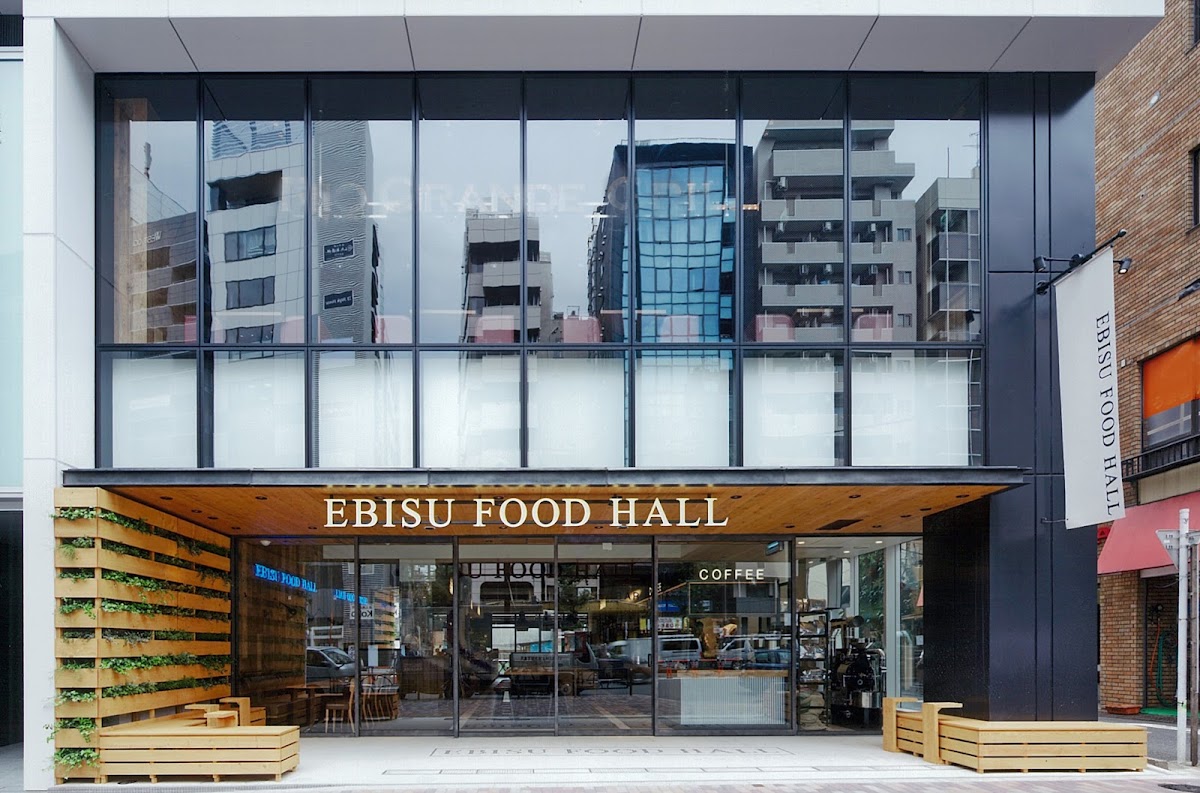
Tucked just a minute from the west exit of Ebisu Station in Japan, Ebisu Food Hall sits at 〒150-0022 Tokyo, Shibuya, Ebisuminami, 1 Chome−1−9 岩徳ビル 1階, and it feels exactly like the kind of place you hope to stumble upon in Tokyo-lively, compact, and packed with flavor. I first walked in on a rainy weekday evening after meetings in Shibuya, expecting a quick bite. Instead, I stayed for nearly three hours, moving from stall to stall, tasting, chatting, and watching the steady rhythm of local diners who clearly treat this spot as a regular hangout.
The concept is simple but well executed. It’s a modern food hall with multiple vendors under one roof, offering everything from yakitori and sushi to craft beer and small-batch desserts. Tokyo’s dining culture is known for precision and quality-according to the Japan National Tourism Organization, the city consistently ranks among the top global culinary destinations, with more Michelin-starred restaurants than any other city. While Ebisu Food Hall isn’t chasing fine-dining stars, it reflects that same attention to detail in its ingredients and preparation.
On my first visit, I ordered charcoal-grilled skewers from a yakitori counter where the chef carefully rotated each skewer over binchotan charcoal. The process matters. Binchotan burns at a high, steady temperature and produces minimal smoke, which allows the chicken to develop a crisp exterior without losing moisture. The result? Juicy thigh meat with a subtle smoky finish and just the right amount of tare sauce. It’s these small, technical decisions that separate average street food from something memorable.
The sushi counter impressed me in a different way. The chef explained that most of their fish is sourced daily from Toyosu Market, Tokyo’s main wholesale seafood market. Freshness isn’t just a marketing word here. You can see it in the sheen of the tuna and taste it in the sweetness of the shrimp. When I asked about the rice, the chef mentioned the balance of vinegar, sugar, and salt-an often overlooked detail that sushi masters, including those recognized by the All Japan Sushi Association, consider fundamental. The rice was slightly warm, lightly seasoned, and structured enough to hold together without feeling dense.
Beyond the food, the atmosphere is what makes this location special. Ebisu is known for its relaxed yet upscale vibe, and the crowd reflects that mix-young professionals, couples on casual dates, and small groups of friends sharing plates. Seating is communal in parts, which encourages conversation. I’ve personally seen strangers exchange menu recommendations and even share tasting notes on different sake selections.
Speaking of drinks, the beverage menu deserves attention. There’s a thoughtful lineup of Japanese craft beers and regional sake. One staff member walked me through the differences between junmai and ginjo styles, explaining polishing ratios and fermentation techniques in clear, simple terms. That kind of explanation builds trust. It shows they know their product and care about the guest experience.
Reviews online often highlight the convenience of the location and the variety of the menu, and I can see why. If you’re dining with a group and everyone wants something different-ramen, grilled seafood, tapas-style small plates-this setup solves the problem effortlessly. It’s also efficient. Orders come out quickly, yet nothing feels rushed. During peak hours, especially Friday nights, you might wait briefly for a seat, but turnover is smooth.
From a hygiene and safety perspective, the open-kitchen layout allows you to observe food handling practices. As someone who has worked in hospitality consulting, I pay attention to these details. Staff wore gloves where appropriate, surfaces were wiped regularly, and ingredients were stored properly. While I don’t have access to official inspection reports, what’s visible aligns with Japan’s generally high food safety standards.
Prices are reasonable for Shibuya. You can enjoy a full meal with drinks without feeling like you overspent, which adds to its appeal as a repeat destination rather than a one-time splurge. Portions are designed for sharing, encouraging you to explore more of the offerings.
If you’re exploring Tokyo’s dining scene and want something that blends variety, quality, and a genuine neighborhood feel, Ebisu Food Hall delivers. It captures the energy of a bustling market while maintaining the care and craftsmanship that define Japanese cuisine.
Good to know
Service options
✓ Outdoor seating ✓ Delivery ✓ Takeaway ✓ Dine-inHighlights
✓ All you can drink ✓ Great cocktails ✓ Great coffeePopular for
✓ Breakfast ✓ Lunch ✓ Solo diningAccessibility
✓ Wheelchair-accessible entrance ✓ Wheelchair-accessible seating ✓ Wheelchair-accessible toilet ✓ Wheelchair-accessible car parkOfferings
✓ Alcohol ✓ Beer ✓ Cocktails ✓ Coffee ✓ Happy-hour drinks ✓ Happy-hour food ✓ Quick bite ✓ Small plates ✓ Spirits ✓ WineDining options
✓ Breakfast ✓ Brunch ✓ Lunch ✓ Dinner ✓ Dessert ✓ SeatingAmenities
✓ Bar on site ✓ Gender-neutral toilets ✓ Smoke-free place ✓ ToiletAtmosphere
✓ CasualCrowd
✓ Groups ✓ LGBTQ+ friendly ✓ Transgender safe spacePlanning
✓ Accepts reservationsPayments
✓ Credit cards ✓ Debit cards ✓ PayPay ✓ Credit cardsChildren
✓ Kids' menuParking
✓ Paid parking lotPhotos
1 / 4
Location
Reviews
- No ratings yet 918 reviews
Food was pretty good the bolognese pasta was alright. We ate here twice my friend liked his steak and rice. That looks like my favorite item on the menu.
Date visited: June 10, 2023 Great place and affordable good food. It's close to the station as well. It's like a food court with enough tables and seats inside and outside the resto. It's clean and organized including the comfort room. QR code is used to order using your mobile phone.
Meat dishes are really tasty. They use different types of sauces (Thai, Mexican, Indian) which gives a good taste. Pork, Chicken bowl are there which is high in protein & perfect meals for lunch. If you want to sit here for long than Latte is recommended too. Inside & Outside seats are available.
It is a kind of western mexican Japanese restaurant, which has a big dinning place & bar, quiet environment and tasty food, we could find a place whenever we came, no need to reserve, located very close to Ebisu train station, closing late, last order at 22:00..
I really enjoyed my time at the food hall! Great spacious area with enough seating to accommodate big parties and nice seating options to relax individually as well. The deer burger was delicious and would come back for it! Overall great experience!
Great vibe and nice western food selection. I like that it's open on the street! Paid about 4000 for some salads , beef stew , glass of sparkling wine and beer. Portions are a bit small though.